Encryption Breakthroughs Opening Doors to Varied Transaction Pathways in Gaming Ecosystems
Paul Bennett · Oct 15, 2026
Encryption Breakthroughs Opening Doors to Varied Transaction Pathways in Gaming Ecosystems
Encryption developments have transformed how digital gaming environments handle payments, player data, and in-game economies, allowing operators to support everything from cryptocurrency transfers to instant bank transfers without compromising security protocols. Researchers at institutions focused on cybersecurity note that these advances address longstanding vulnerabilities while expanding options for users across global markets.
Core Technologies Driving Change
Homomorphic encryption permits computations on encrypted data without decryption, a capability that lets gaming platforms process transactions in real time while keeping sensitive details shielded from potential breaches. Quantum-resistant algorithms, standardized through efforts by bodies such as the National Institute of Standards and Technology, protect against future threats from quantum computing systems that could otherwise crack existing methods. Zero-knowledge proofs add another layer by verifying transaction validity without revealing underlying details, which proves useful in environments where players engage with diverse assets like digital currencies, e-wallets, and loyalty points.
Studies from academic centers examining distributed ledger applications show these tools integrate smoothly with existing payment gateways, reducing friction for operators who must comply with varying regional rules on data protection. Data from industry reports indicate adoption rates climbed steadily through 2025, with projections pointing to broader rollout by October 2026 as hardware capabilities catch up.
Supporting Multiple Transaction Types
Gaming environments now accommodate an array of payment methods thanks to layered encryption frameworks that scale across mobile, desktop, and cloud-based systems. Cryptocurrency options benefit from enhanced wallet integrations that use multi-party computation to split private keys, while traditional bank transfers gain speed through encrypted API connections that verify funds without exposing account numbers. E-wallet providers and prepaid card systems similarly leverage these protocols to enable instant deposits and withdrawals, a shift documented in analyses by organizations tracking digital entertainment trends.
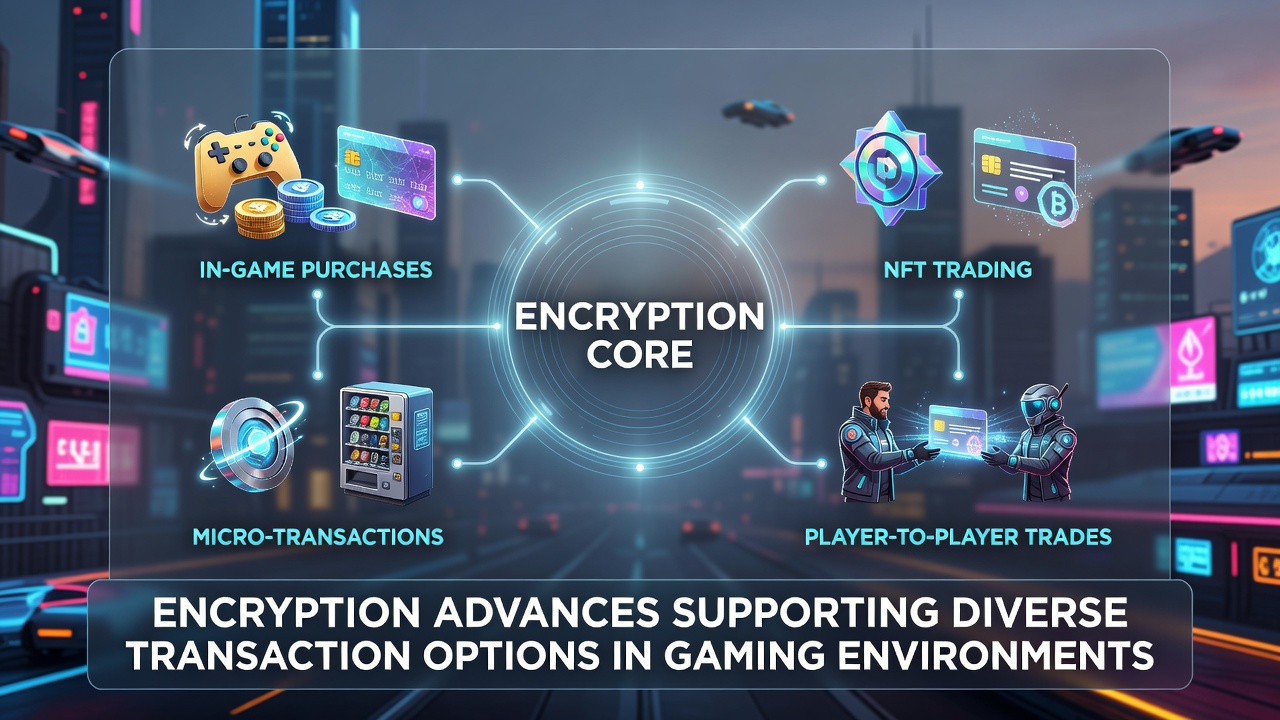
One case highlighted by researchers involved a platform that incorporated homomorphic techniques to manage cross-border purchases of in-game items, maintaining compliance with data localization requirements from multiple jurisdictions. Such implementations demonstrate how encryption supports flexibility without forcing operators into single-payment ecosystems.
Regulatory and Security Context
Authorities in regions including the European Union and North America have updated guidelines that encourage encryption upgrades, particularly for platforms handling player funds and personal information. Reports from groups like the Interactive Games and Entertainment Association outline how these standards align with broader data privacy frameworks, creating consistent expectations for operators worldwide. Evidence from compliance audits reveals fewer incidents of data exposure when platforms deploy updated protocols, though implementation timelines vary by company size and technical infrastructure.
By October 2026, several jurisdictions plan to reference new encryption benchmarks in licensing renewals, a development tracked through public policy updates from government agencies. This timeline encourages gaming firms to test hybrid systems that blend established methods with emerging ones, ensuring continuity for users who prefer established options alongside newer alternatives like tokenized assets.
Practical Outcomes in Live Environments
Platforms that adopted these advances report smoother handling of high-volume periods, such as tournament entries or seasonal promotions, because encryption overhead decreases through optimized hardware acceleration. Players encounter fewer interruptions during deposits or redemptions, while operators gain tools to segment transaction logs for auditing without full data exposure. Industry observers tracking these shifts point to reduced operational costs in some cases, alongside expanded reach into markets where payment preferences differ sharply from traditional models.
Take the example of one mid-sized operator that integrated zero-knowledge systems for peer-to-peer item trades within its ecosystem; transaction verification times dropped while maintaining audit trails required by oversight bodies. Such patterns appear across multiple deployments, according to aggregated findings shared at technical conferences.
Conclusion
Encryption progress continues to expand the range of viable transaction methods available in gaming environments, backed by measurable improvements in security metrics and compliance alignment. As standards evolve toward October 2026, platforms that incorporate these tools position themselves to meet diverse user needs across regions. Ongoing research from universities and technical institutes will likely refine these approaches further, supporting sustained growth in secure, flexible payment ecosystems.